

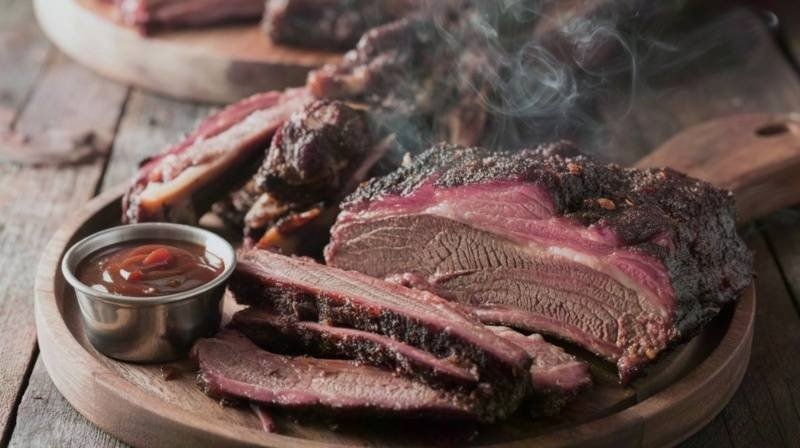
If there's one thing more satisfying than barbecue itself, it's the mouthwatering pulled pork with that rich, smoky flavor, the perfectly tender meat just falling off the bone, easily separated by a fork. Regardless of whether you're hosting a small family gathering or a weekend cookout, a smoked pulled pork recipe provides fantastic flavor. So long as you have the right cut, a tasty rub, consistent heat, and cooking time, it really doesn't matter that pulled pork is a relatively easy recipe.
Using a smoked pulled pork rub recipe from scratch will give you the chance to customize the flavors however you see fit and often produce better results than those store-bought blends.
You'll want an 8-10 pound pork shoulder (otherwise known as a pork butt) for a great smoked pulled pork recipe. The fattiness and connective tissue in this cut will help it stay juicy after being on the grill for an extended period.
Many people personalize their smoked pulled pork rub recipe from scratch, adding an extra half teaspoon of cayenne pepper for more heat or even a full teaspoon more of brown sugar if they want it sweeter.
Expand Your Knowledge: Check Out Tasty BBQ Leftover Ideas to Try After the Cookout
This cut has the most marbling and connective tissue, which are perfect for slow, low cooking. As collagen breaks down and melts into gelatin over the hours that it cooks in the smoker, it makes the meat exceptionally tender, just like you want it to be for pulled pork. Lean cuts get dry in long cooking sessions, but the pork shoulder just remains moist, even if it takes forever in the smoker.
They are relatively cheap and easy to buy almost anywhere, which are two excellent qualities for the typical backyard barbecue master.
Which wood is best for smoking pulled pork in the USA can make a real difference. Hickory wood has always been the best for the rich barbecue flavor and complements pork perfectly. Applewood creates a sweeter, more mellow smoke than hickory, while cherrywood creates a more subtle sweetness and can produce a dark, rich bark. Many pit masters like using a combination of these two woods to gain the perfect flavor of both smoke and sweetness.
Mesquite should be used in moderation when selecting the best wood for smoking pulled pork in the USA. Its strong flavor can become a bit too much after it has been on the grill for a long time. Experimenting with wood types is fun to find what works for you, but if I had to pick one for you, it's the hickory wood for smoking pulled pork in the USA.
This part can be tricky, as the time required for pulled pork varies quite a bit, but it never dictates whether a pork shoulder is fully cooked. An average 8-pound pork shoulder will take roughly 1.5 to 2 hours per pound. So at 225 degrees F, this can take up to 12-18 hours for larger pork shoulders. Remember, the time can differ due to the outside temperature, smoker performance, and size.
Also, do not be scared by the stall; it is a phase when pork internal temperature rests for a couple of hours between 160°F and 170°F, which means the pork is perfectly cooked when it reaches between 195°F and 205°F. Wrap pork in butcher paper to push through the stall quickly and ensure the juices are kept in the meat.
A pulled pork internal temperature guide is very important; pork can technically be cooked at lower temperatures, but it is not sufficient for breaking down the connective tissue in a pork shoulder, which needs much higher heat than the average cooking temperatures used in this smoked pulled pork recipe. A proper pulled pork internal temperature guide tells us the stall is reached between 160 and 170°F; we need to bring it up to 195-205°F for pulled pork.
Many will find 203F produces the ideal tenderness; use a probe to make sure the internal temperature is still the most accurate way to tell that the pork has finished cooking. A pulled pork internal temperature guide will ensure that you don't cook it to dryness. Allow it to rest for one hour before pulling for the best results.
A successful and memorable pulled pork sandwich relies heavily on the BBQ sauce and topping combinations. Try pairing the smoky meat with: Coleslaw, pickles, sliced onions, hot peppers, sweet barbecue sauce, vinegar-based sauce, mustard sauce, pepper jack cheese, or even crispy fried onions for some added crunch. Combining some of these elements is even better, like hot barbecue sauce with a cool and refreshing coleslaw to bring different flavors and textures to your plate.
Think about adding creative twists such as pineapple slaw or spicy pickled vegetables, which provide a lovely counterpoint to the richness of the smoked pork shoulder. For an elevated sandwich experience, serve it all up on a warm and fluffy brioche bun.
There are certain tips and tricks that can go a long way towards creating the best pulled pork, whether this means you're cooking a pork shoulder for the first time or are a seasoned pro. They include using the proper type of meat, coating it evenly with your spices, allowing ample time for the pork shoulder to cook and smoke at consistent temperatures, using the correct kind of wood for the most savory smoke, and finally, being sure to let the meat rest before you shred it so all the juices stay in the meat.
Many people cook their pork shoulder uncovered throughout the entire cook to give it a harder, deeper-flavored bark. Wrapping is mainly to cut down on the cook time, as well as to help through the stall phase. Whether you want a harder bark or a softer, quicker cook is your preference.
No. A thin layer of fat should be left on, as it will prevent the pork from drying out during the smoking process and will also add moisture and flavor as the pork cooks. If you remove the excess fat (the thicker portions of the shoulder), the smoke will not reach the meat as well.
Yes! The main reason people use pellet smokers is that they are incredibly easy to use, produce a consistent heat throughout the smoke, and provide constant smoke throughout the entire cook time. They work perfectly for longer smokes, and many backyard smokers prefer them to a traditional charcoal smoker.
You will want to reheat the pork slowly in a very small amount of cooking juices, broth, or stock. The low heat will help maintain the texture of the meat while keeping it moist. It is also helpful to keep the pulled pork covered while reheating to allow all the juices and heat to surround it.
Absolutely. Pulled pork is a wonderful make-ahead meat because it reheats so well and maintains a moist texture. Once cooked and shredded, place the meat and all of its juices in an airtight container in the refrigerator. Many believe the pork tastes even better once it has set up overnight in the fridge.
This content was created by AI